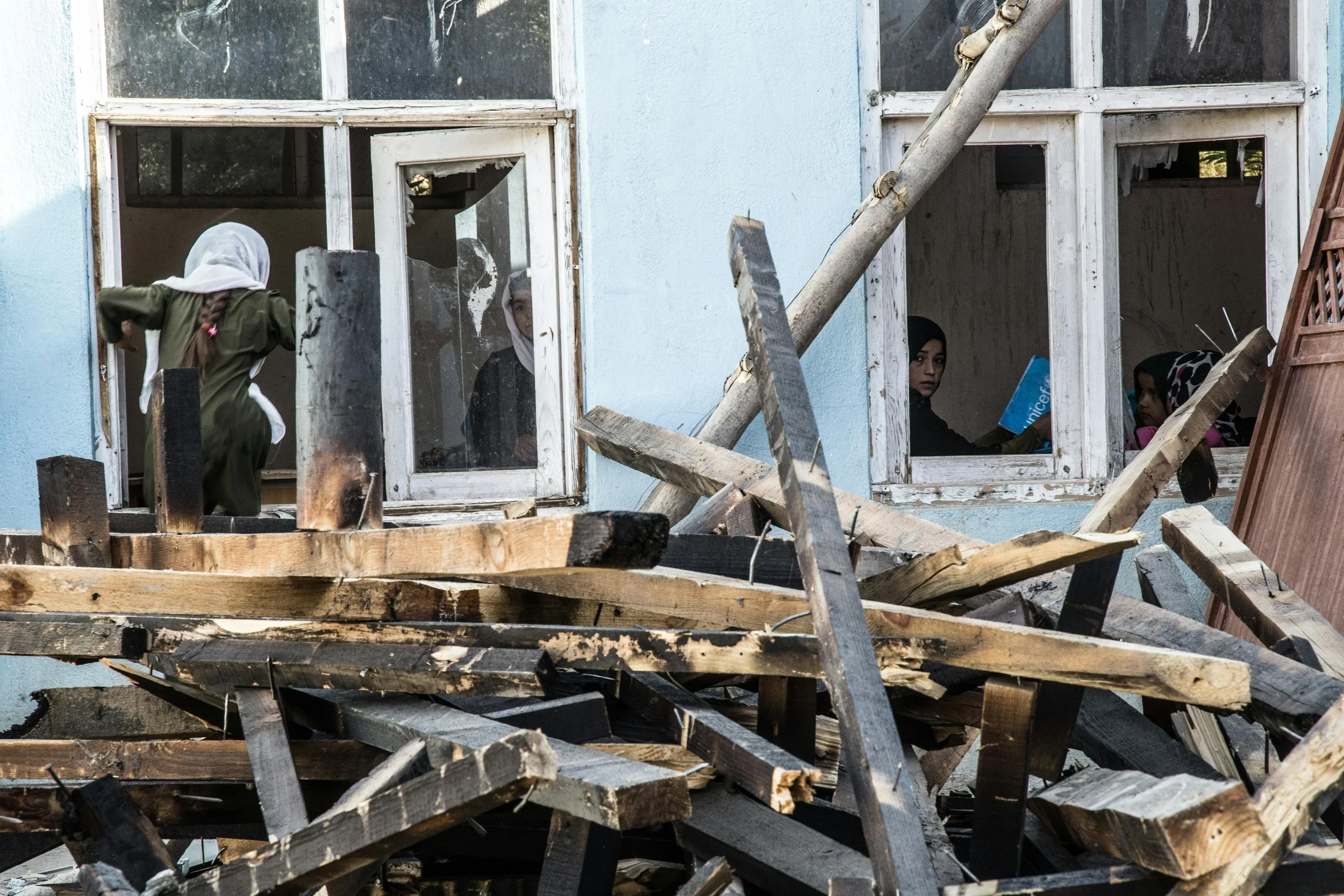
Integrated Emergency Response
DCRE delivers timely, inclusive, and life-saving humanitarian assistance to marginalized and vulnerable populations—including refugees, internally displaced persons (IDPs), and forcibly returned migrants. Through an integrated, multi-sectoral approach, DCRE combines cash assistance, food security, shelter, health, protection, and psychosocial support to address urgent needs while laying the foundation for recovery and dignity. The program prioritizes gender-sensitive and community-driven interventions to ensure that no one is left behind in times of crisis. By 2027, DCRE will provide integrated emergency assistance to at least 25,000 vulnerable individuals affected by conflict, disaster, and forced displacement, ensuring 80% of targeted households receive timely life-saving support water sanitation, food, shelter, and other protection services.
Winterization and Seasonal Support
DCRE provides targeted winterization and seasonal assistance to protect displaced, returnee, and marginalized families from harsh weather conditions and seasonal shocks. The program delivers life-saving relief—including warm clothing, blankets, heating fuel, shelter insulation, and seasonal food aid—while integrating health, WASH, and preparedness measures to reduce cold-related risks. Through inclusive targeting and coordination with local authorities and humanitarian partners, DCRE ensures that vulnerable groups—especially women, children, persons with disabilities, and the elderly—receive timely, dignified, and needs-based support to withstand extreme seasonal hardships and enhance community resilience. By 2027, DCRE will provide winterization and seasonal support to at least 2,000 vulnerable individuals across cold-affected and disaster-prone areas, ensuring timely delivery of essential relief within 30 days of the onset of winter, 50% coverage of female-headed households, and 80% of targeted families reporting improved safety, warmth, and reduced exposure to cold-related illnesses through DCRE’s coordinated, inclusive, and multi-sectoral interventions.
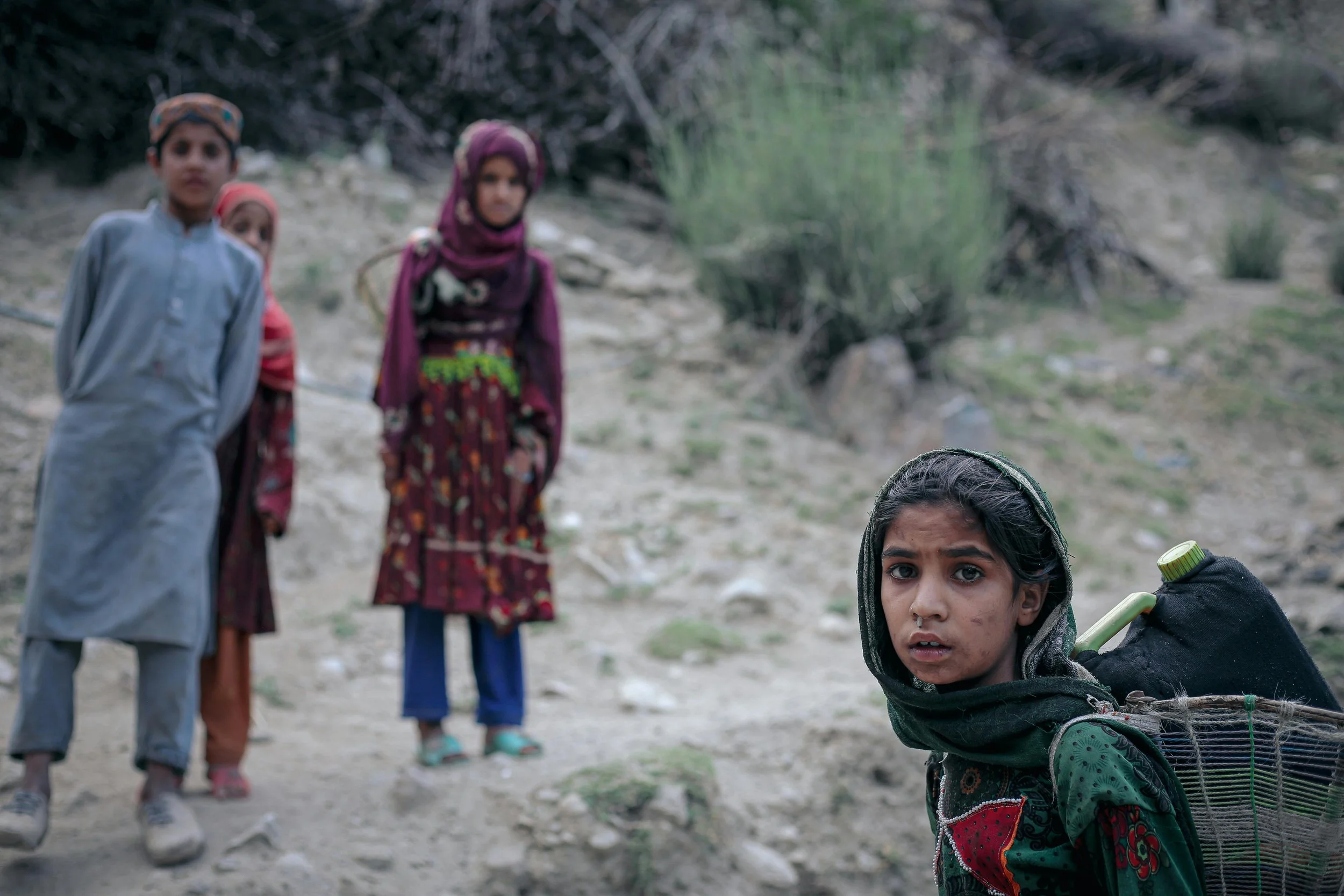
Earthquake Response
Frequent earthquakes in Afghanistan, Pakistan and Indonesia often striking remote, under-resourced regions—cause widespread destruction, loss of life, and long-term displacement. Entire communities are left without shelter, essentials, or safe infrastructure, making rapid humanitarian support critical for survival. DCRE provides rapid, life-saving assistance to communities affected by earthquakes, delivering emergency shelter, food assistance, protection support, and essential non-food items. Our response also strengthens community resilience and recovery efforts by coordinating with local actors and providing pathways to long-term stability. These interventions directly advance UN SDG 11 (Sustainable Cities and Communities) by supporting disaster preparedness, reducing risks, and helping affected families rebuild safer, more resilient lives.
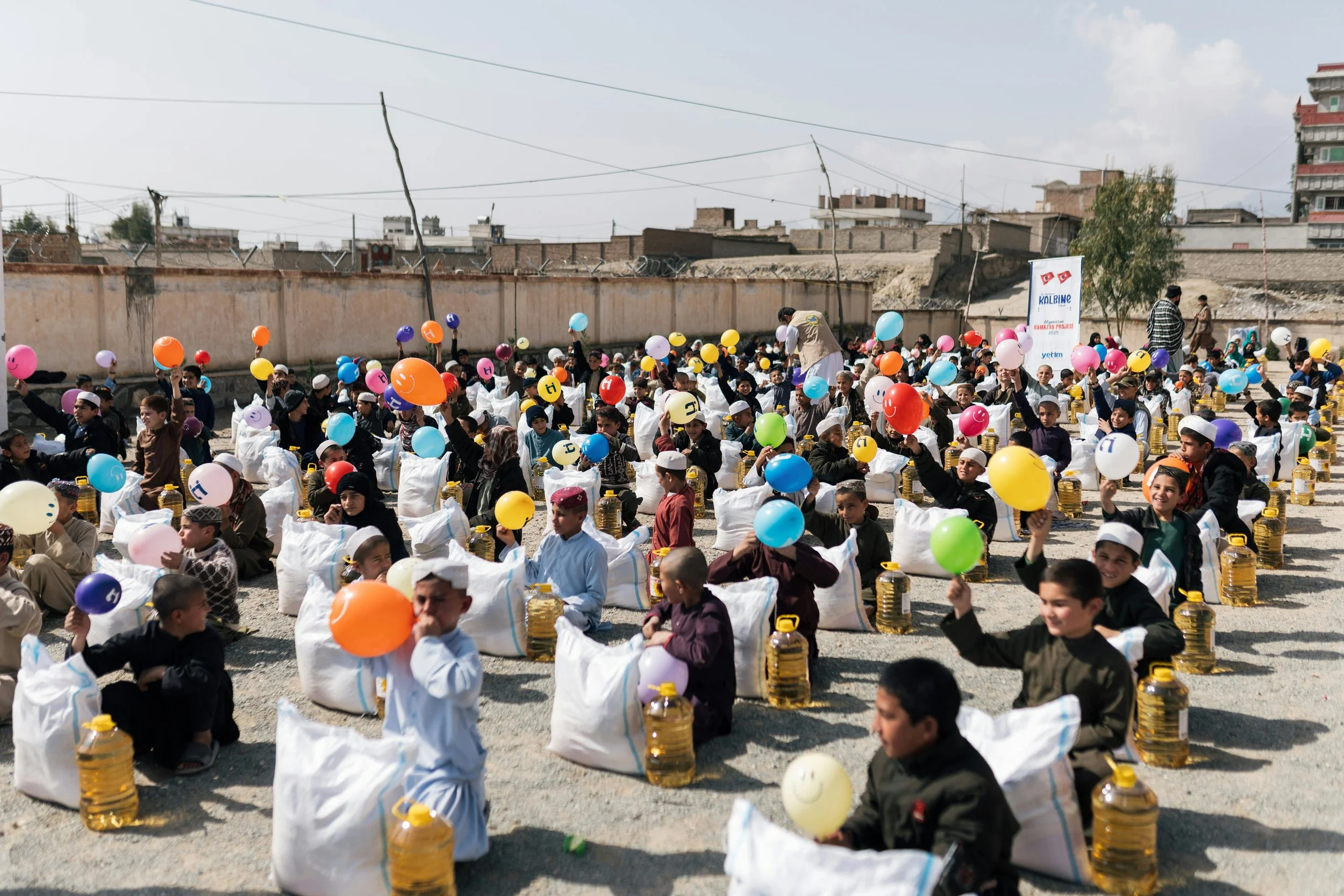
Food Security and Nutrition
DCRE enhances food security and nutrition among marginalized, displaced, and returnee communities through integrated emergency relief, livelihood recovery, and nutrition interventions. The program ensures that vulnerable households—especially those headed by women, persons with disabilities, children, and the elderly—receive timely food assistance and nutrition support to prevent hunger and malnutrition. By combining emergency food distribution, cash-based transfers, livelihood inputs, and community nutrition education, DCRE strengthens household resilience, dietary diversity, and long-term self-reliance. Coordination with humanitarian partners and local authorities ensures that assistance is inclusive, accountable, and responsive to seasonal and crisis-driven needs. By 2028, DCRE will provide food and nutrition assistance to at least 35,000 vulnerable individuals—including 10,000 children and 5,000 pregnant or lactating women—across targeted crisis-affected and return areas, ensuring that 80% of beneficiary households achieve improved food consumption scores, 70% of malnourished children recover through targeted nutrition programs, and 60% of supported families transition to sustainable livelihood or agricultural activities within three years of intervention.